Why dining clusters form
Restaurants often gather where people already move: historic streets, market approaches, transport corridors, office areas and cultural venues. A cluster can reflect foot traffic, building use, tourism, local routines or a mix of these forces. It is not proof that every business is open, suitable or operating in the same way. Treat the district as a planning unit, not a promise of a specific meal.
Latvian, Lithuanian and Estonian cities each have their own street patterns and histories. Their dining areas should not be treated as interchangeable. The categories below are broad ways to read a city. They do not replace current maps or local information.
Historic centres and old-town streets
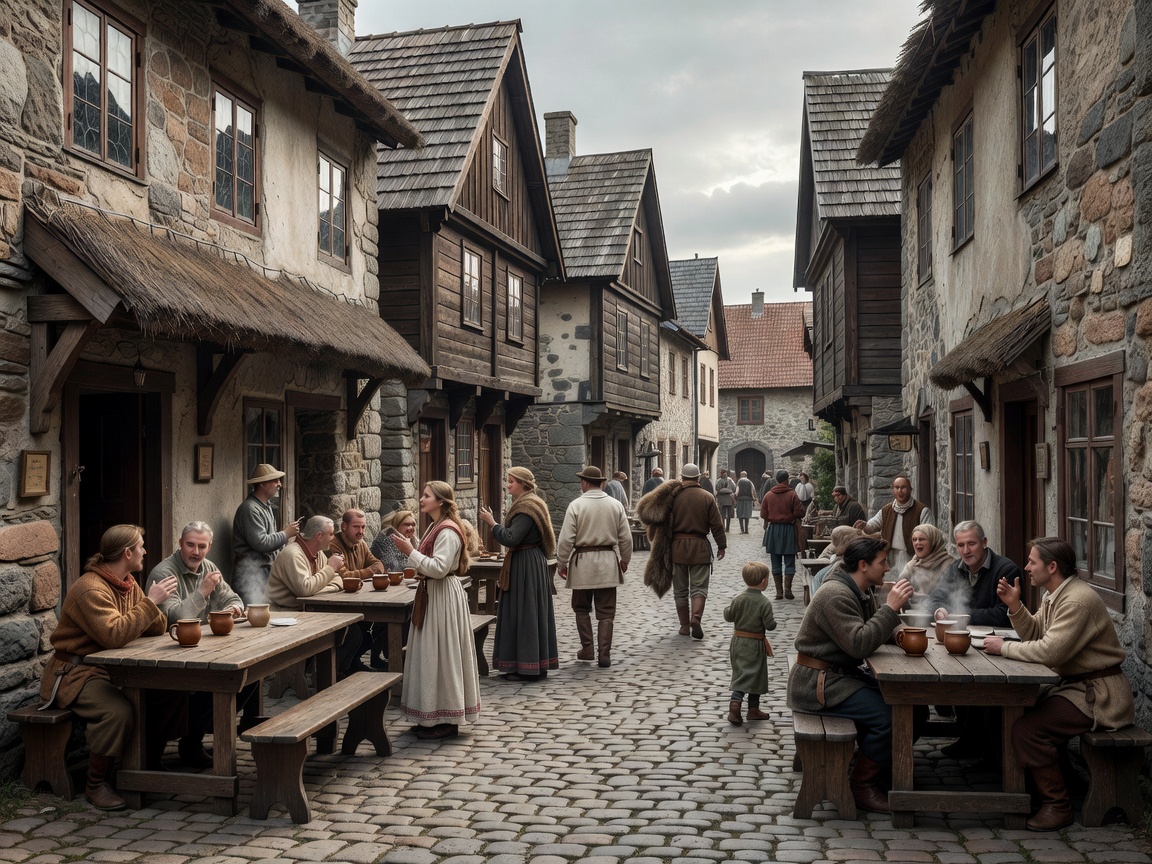
Historic centres can make a compact visit possible. They may place cafés, restaurants and cultural sites within walking distance. Narrow streets, pedestrian areas, event activity and older building layouts can affect access. Check the route from your lodging or transit stop and note whether stairs, cobbles or limited vehicle access matter to your group.
Old-town streets can have different rhythms by time of day. Some are oriented toward daytime visits; others support evening dining. Do not assume that a busy street reflects a particular cuisine or service level. Compare menu focus, current hours and booking guidance directly.
Markets and waterfronts
Market districts connect food retail, prepared food and everyday shopping. They can be useful for observing ingredients and local food habits. Stall mix and operating arrangements can change, so verify market access and current schedules through reliable local sources. A market visit may work best as a flexible stop rather than the only planned meal.
Waterfront areas can bring together promenades, transport, cultural sites and food businesses. Their food offer varies by city and season. Wind, weather and distances between venues can affect a day outdoors. Check whether your intended meal is actually on the route, rather than assuming that all waterfront locations form one walkable strip.
Creative, residential and mixed-use neighbourhoods
Creative neighbourhoods often develop around studios, performance spaces, converted buildings or independent retail. The result may be a mixed food scene, not a defined culinary district. Residential dining areas can offer a different pace from central visitor routes, but they may require more planning for transport and opening schedules. Mixed-use cultural districts combine several reasons to visit, such as exhibitions, live events and meals.
Restaurants cluster where a neighbourhood has a regular audience. Student areas, office streets and family residential zones may each create different demand. Such patterns are general, not guarantees. Use them to generate options, then verify each place.
Research a district before you go
Start with the day’s fixed points: arrival, accommodation, museum or meeting. Choose a district that reduces backtracking. Use a current map to check walking times and transit connections. Look for several suitable options, not one assumed choice. Confirm opening information on the business’s own channel when possible, and note the date you checked it.
- Check the exact address and entrance location.
- Read the menu for cuisine focus and dietary detail.
- Confirm booking requirements and service format.
- Check payment and access information if relevant.
- Keep a second option within a sensible distance.
Good for
District planning suits visitors with limited time, groups combining dining and cultural stops, and anyone who wants to reduce cross-city travel. It is also useful for separating a market visit from a sit-down meal.
What to know
District labels are descriptive, not official endorsements. Business locations, menus, opening hours, prices and availability can change. This guide does not provide live listings or confirm any venue. Check current local information before setting out and allow flexibility for a change of plan.
Related guides
Pair district research with the restaurant category guide, learn about regional cuisine, or use the dining trip planner.